
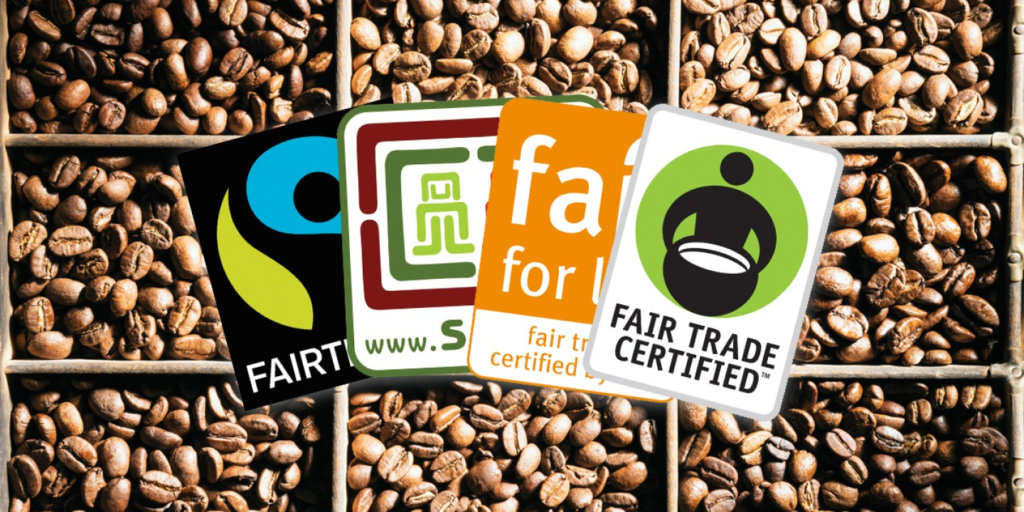
In a supermarket aisle, the choice between two chocolate bars often comes down to a quick glance at the packaging. One may carry a small, blue-and-green logo that has become a familiar sight on coffee, tea, bananas and cocoa. That logo, the Fair Trade badge, promises something bigger than taste or price. It suggests that the people who grew the cocoa or picked the beans were treated fairly, paid a decent price and given a chance to build a better future for their families.
But what does that promise actually mean? In a world where corporations sometimes use vague terms like “ethically sourced” or “sustainably produced” without real substance, understanding exactly what a Fair Trade certification stands for has never been more important. It is a story of standards, audits and human impact, one that bridges the distance between a farmer in Ghana and a consumer in London. And it raises a question worth pausing over: when a product carries that badge, what exactly has been verified and by whom?
What the badge actually promises
The Fair Trade badge is not a single thing. In fact, the most widely recognized certification comes from Fairtrade International, an organization that sets standards for how products are grown, traded, and sold. These standards fall into three broad categories: economic, social and environmental.
Economically, the most significant promise is the Fairtrade Minimum Price. This is a guaranteed floor price paid to producers, designed to cover the average costs of sustainable production. When the global market price for coffee, for example, crashes below that level and it does, often, the farmer still receives enough to survive. On top of that comes the Fairtrade Premium, an additional sum of money that producers invest collectively in their communities. They decide democratically whether to build a school, a health clinic or better storage facilities for their harvest.
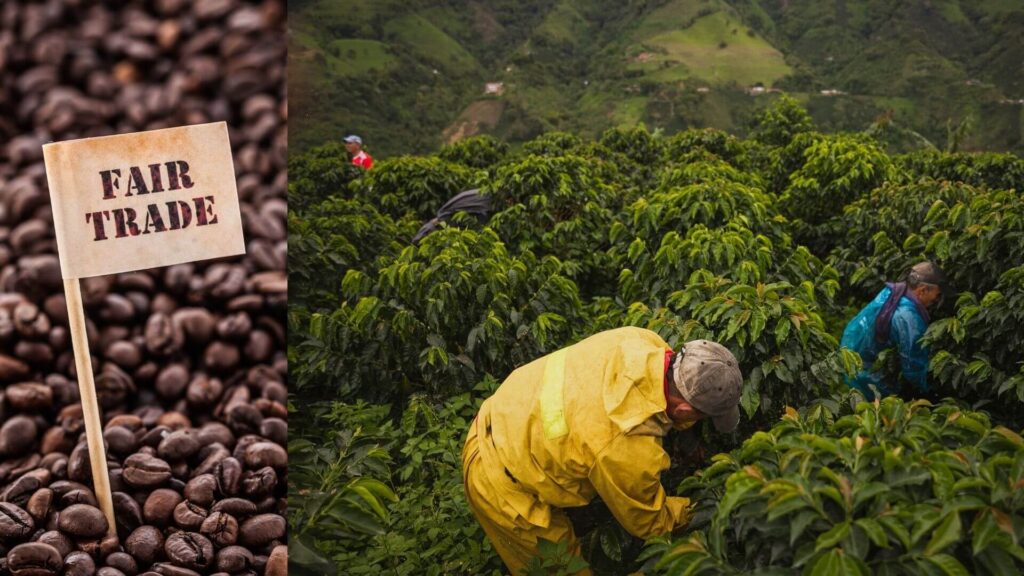
Socially, the standards forbid child labor and forced labor, mandate safe working conditions, and require that producer organizations be run democratically. Workers on large plantations have the right to form unions and bargain collectively. Environmentally, the standards push for sustainable farming practices: reduced pesticide use, soil conservation, protection of water resources, and measures to adapt to climate change.
But here is where it gets interesting: not every Fair Trade product is organic and not every organic product is Fair Trade. They are separate certifications, though many producers hold both.
The family of fair trade certifications
One of the most common misconceptions is that all Fair Trade certifications are the same. In reality, there are several major players, each with a different emphasis.
Fairtrade International (often just called Fairtrade) is the largest and most recognized. It focuses on certifying individual products, coffee, cocoa, bananas, sugar, tea and many others. Its certifier, FLOCERT, conducts independent audits to ensure compliance. The familiar blue-and-green circular logo with the black figure is its hallmark.
The World Fair Trade Organization (WFTO) takes a different approach. Instead of certifying individual products, it certifies entire enterprises, companies that commit to fair trade principles in everything they do. Their guarantee system covers the full organization, not just one chocolate bar.
Then there is the Rainforest Alliance, which focuses on environmental sustainability and worker welfare but does not guarantee a minimum price. And there is Fair for Life, a program from Ecocert IMO that certifies both products and supply chains with a strong social focus.
Each certification has its own standards, its own verification process, and its own strengths. Understanding which badge is on a product helps consumers make more informed choices.
Common myths and what they get wrong
Many people assume that Fair Trade products are always more expensive. In fact, the price difference for most items is small, often just a few cents more per unit. That slight increase goes directly to improving lives at the source.
Another myth is that Fair Trade is charity. It is not. It is a market-based system that aims to create equitable trading relationships. Producers are not receiving handouts; they are receiving a fair price for their work, along with the resources to improve their operations and communities.
Some also believe that every product labeled “ethically sourced” or “fairly traded” has been through the same rigorous process. This is where things get tricky. Companies sometimes use vague claims without any third-party verification. That is why the difference between a certified badge and a marketing phrase is so important. The badge means someone has audited the supply chain. A vague claim means little.
How fair trade claims are actually verified
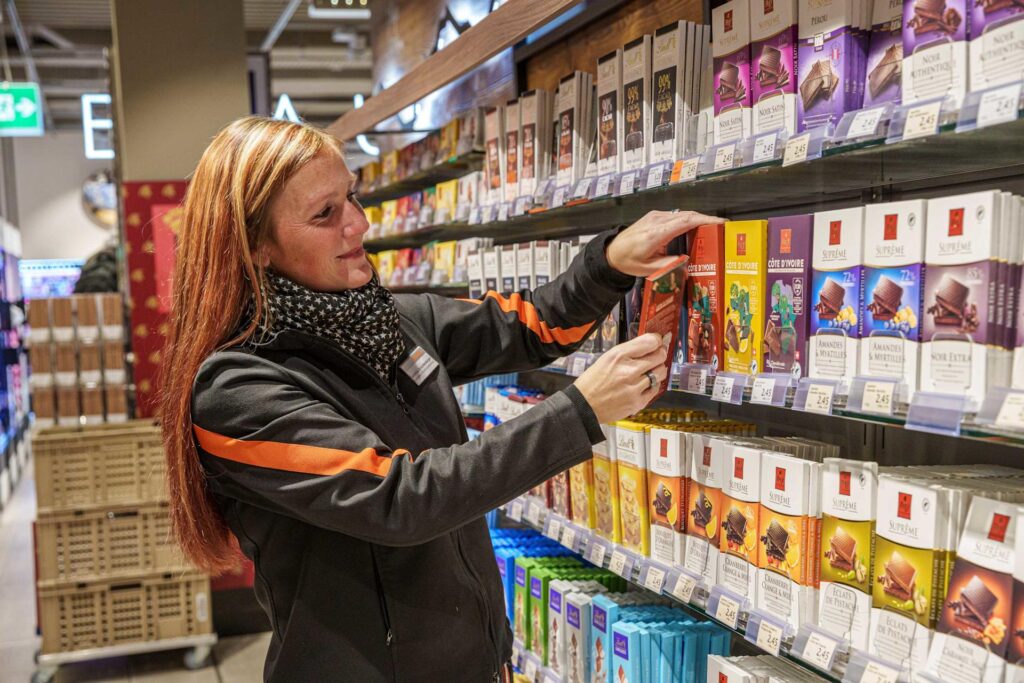
Verifying a Fair Trade claim is not a simple matter of printing a logo on a box. It involves a chain of checks and balances that begins at the producer level and continues all the way to the consumer. Traditionally, this has involved periodic on-site audits by independent certifiers like FLOCERT. An auditor visits a cooperative, checks records, interviews workers, and inspects facilities. If everything meets the standards, the producer gets certified.
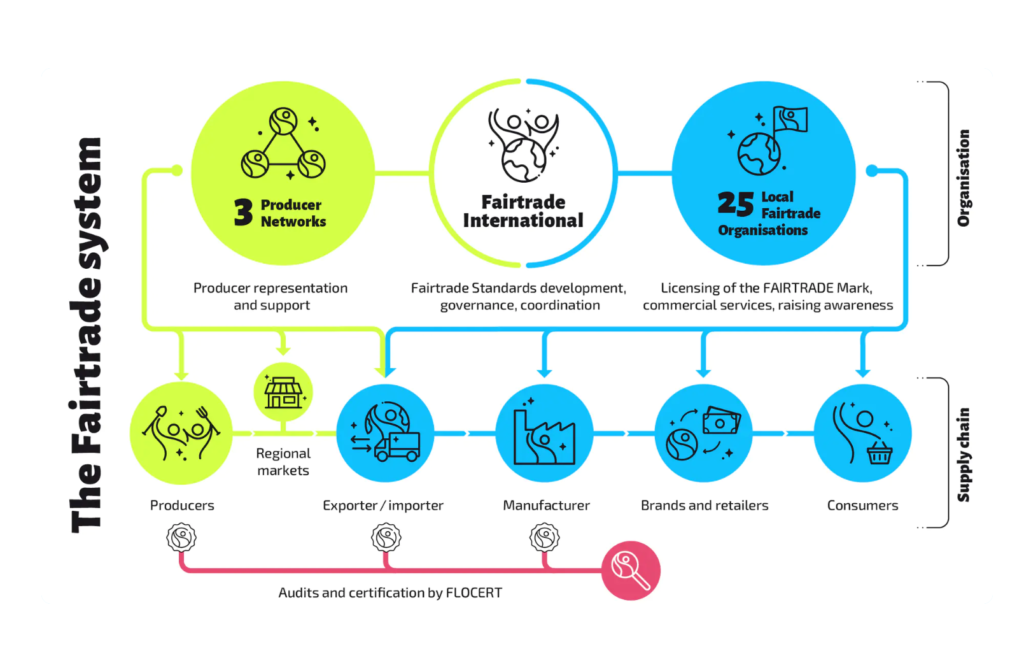
But that system, while thorough, has limitations. Audits happen periodically, not continuously. And in complex global supply chains, the distance between a farmer in Côte d’ Ivoire and a shelf in Berlin is vast, with many intermediaries.
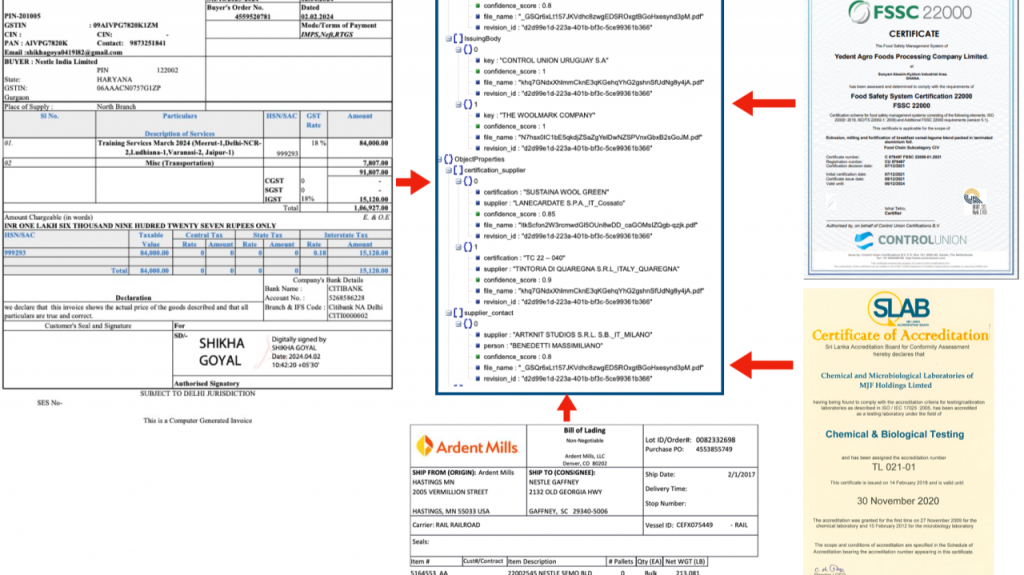
Today, technology is adding a new layer of transparency. TilliT, is a digital platform that enhances compliance verification by connecting data across the supply chain in real time. It can check certificate metadata and expiry validation, verify the certificate ID and the issuing body (such as FLOCERT) and even detect the authenticity of the logo on packaging. The system can cross-reference a claim against external registries or the certifier’ s own database, ensuring the certificate is genuine and active.
It also links supply-chain documentation, verifying that the certified raw material in a product actually came from the certified producer. Payment records are checked to ensure the Fairtrade Minimum Price and Premium were actually paid. Document integrity checks, like verifying that PDFs are original and unaltered, add another layer of trust. intermediaries.
For consumers and businesses alike, this kind of verification matters. When a company like TilliT validates a badge, it is not just repeating the company’ s claim. It is confirming that the paperwork, the auditor reports and the digital records all line up.
Why traceability matters for trust
The difference between legitimate Fair Trade certification and a vague marketing claim often comes down to traceability. A legitimate badge is backed by a chain of evidence: Who grew the beans? Who bought them? At what price? Was the premium paid? How was it used? Without this kind of data, a claim is just words on a package.
In sectors like cocoa and coffee, where supply chains can be long and fragmented, traceability is the only way to ensure that the money meant for farmers actually reaches them. Premium payments, for example, are supposed to be decided democratically by the cooperative. But if the coop has poor record-keeping or if the buyer does not track the premium separately, there is no way to verify.
Digital verification systems solve this by creating an immutable record. When every transaction, every certificate, and every audit report is digitized and cross-referenced, the system becomes transparent. A consumer scanning a QR code on a package can see not just the badge, but the story behind it.

The human impact behind the badge
The data around Fair Trade is impressive. According to Fairtrade International, nearly two million farmers and workers are part of certified producer organizations across more than seventy countries. In 2022, global retail sales of Fairtrade certified products reached over ten billion euros. That same year, producers earned more than 220 million euros in Premium payments.
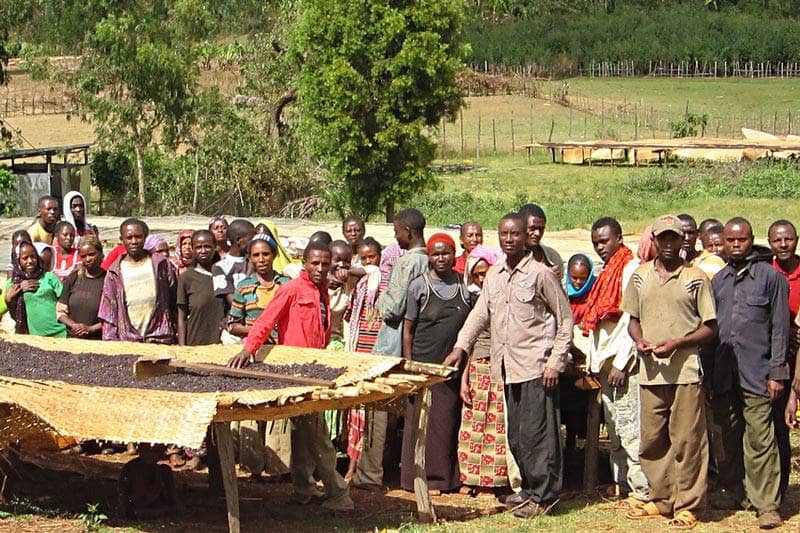
But numbers only go so far. Behind every statistic is a person. A coffee farmer in Colombia who used the Premium to buy a coffee-drying machine, improving the quality of her beans. A cocoa farmer in Ghana whose cooperative built a school with the extra funds. A banana plantation worker in Ecuador who received a fair wage and the right to organize.
These stories are the real measure of Fair Trade’ s impact. The badge is not just a symbol; it is a connection. It means that somewhere along the chain, someone decided to do business differently.
A future shaped by transparency
The global appetite for ethical products is growing, especially among younger consumers. But so is skepticism. People want proof, not promises. The trend toward greater transparency, driven by technology, will only accelerate.
Fair Trade certification bodies are adapting, incorporating more digital tools into their systems. And independent verification platforms like TilliT are stepping in to bridge the gap between a company’ s claim and a consumer’ s trust. The future of ethical sourcing lies in verifiable, real-time data that anyone can access.
For businesses, this is both a challenge and an opportunity. Those that embrace genuine certification and invest in transparent supply chains will earn lasting trust. Those that rely on vague labels without substance will find their claims increasingly questioned.
Conclusion
The little blue-and-green badge on a package of coffee or chocolate represents a remarkable idea: that trade can be a force for good, not exploitation. It has helped millions of farmers and workers earn a living wage, build schools, and protect the land they depend on. But it is also a reminder that promises need proof. In a world overflowing with labels, certifications and marketing claims, the difference between a genuine Fair trade product and a vague statement comes down to verification. Systems that check certificate expiry, confirm issuer identitiy, link supply chain records, and ensure premiums were paid are not just technical tools. They are guardians of trust. The next time you reach for a Fair Trade product, you are not just buying a snack. You are casting a cote for a fairer, more transparent economy. And thanks to systems that make verirfication possible, you can be confident that your choice actually matters.
Reference
- Fairtrade International – Annual Report 2022-2023
- World Fair Trade Organization – 10 Principles of Fair Trade
- TilliT – Compliance Verification System
- Rainforest Alliance – Standards
- Pure Gusto – The Importance of Fairtrade in the Food & Beverage Market
- Fairtrade International – How Fairtrade Certification Works
- Fairtrade International – Assuring Integrity in Checking Compliance

About The Author: Imandi
More posts by Imandi